
Table of Contents
- Is a Car Seat Travel Bag Worth It for Flying?
- Gate Checking a Car Seat vs. Checking at the Counter
- Types of Car Seat Travel Bags: Padded vs. Unpadded
- Best Car Seat Travel Bags Compared: Ratings and Pricing
- Insurance, Warranty, and DIY Alternatives Worth Knowing
- How to Pack a Car Seat for Air Travel: Step-by-Step
- Rent Instead of Haul: The Smart Option for Northeast Florida Families
- Final Verdict: Is a Car Seat Travel Bag Worth It for Flying?
Last Updated: June 12, 2026
Deciding whether a car seat travel bag worth it for flying is a question every traveling parent faces at the departure gate. At First Coast Baby Rentals, we hear it constantly from families heading to Saint Augustine, Amelia Island, and Jacksonville Beach: "Do I really need one of those bags, or can I just hand the seat to the gate agent?" The short answer is yes, a protective bag is worth it. The longer answer depends on your car seat, your travel style, and how much you value arriving with gear that still works.
What most guides get wrong: they focus entirely on which bag to buy and skip the question of whether the cargo hold actually damages car seats. It does. Baggage handlers are not trained to treat car seats like fragile items.
Is a Car Seat Travel Bag Worth It for Flying?
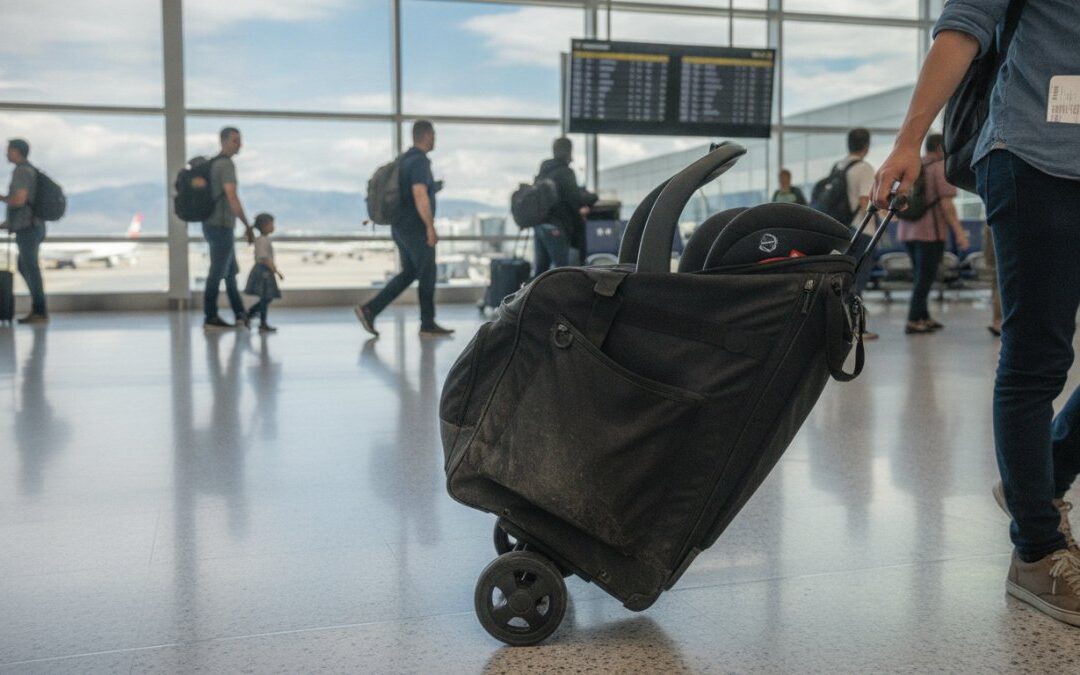
A car seat travel bag is worth it for flying because it provides a physical barrier between your child’s safety equipment and the mechanical chaos of the cargo hold. Without one, your car seat is exposed to compression, impact, and contamination that can compromise its structural integrity in ways that are not always visible.
Car seat manufacturers including Chicco and Orbit Baby generally recommend replacing a seat after any significant impact. A seat that looks fine on the outside may have internal energy-managing foam that has been compressed or cracked, the foam that protects your child in a collision.
What Baggage Handlers Actually Do to Your Gear
Baggage handlers are moving hundreds of bags per flight under significant time pressure. Car seats, awkward, irregular shapes without handles, get tossed, stacked under heavy luggage, and dragged across conveyor belts. Plastic shells crack, harness buckles get bent, and bases get scraped across concrete. A heavy-duty nylon bag with padded interior walls absorbs the majority of that impact before it reaches the seat.
Damage Risk: Cargo Hold Realities
The cargo hold is pressurized but not climate-controlled to cabin standards. Car seats checked without a bag frequently arrive with scratches, broken cup holders, and cracked plastic. More concerning, structural foam inside the seat can be compromised without any external sign of damage.
According to FAA guidance on child safety seats, car seats used on aircraft must meet specific safety standards. A seat that has sustained hidden structural damage may no longer meet those standards, even if it looks intact.
If your car seat sustains damage during air travel without a protective bag, most airlines will only reimburse cosmetic damage. Structural damage that affects safety is harder to prove and harder to claim. Document your seat’s condition with photos before every flight.
Gate Checking a Car Seat vs. Checking at the Counter
Gate checking a car seat is generally safer than checking it at the ticket counter, but a protective bag improves outcomes in both scenarios. Gate-checked items travel in the forward cargo hold and are typically handled fewer times, but the seat still goes into the hold, still gets loaded by hand, and still comes back up a conveyor belt at the destination.
Airline Policy Differences You Need to Know
Airline policies on car seat checking vary more than most parents realize. Some carriers allow gate checking at no charge, others require advance notice, and a few have size restrictions. As documented in TSA guidelines on traveling with children, car seats are permitted through security and on board aircraft, but checking policies differ by carrier.
Before your travel day, confirm with your specific airline:
- Whether gate checking is free or fee-based
- Whether the seat must be in a bag to be accepted at the gate
- What the airline’s liability policy is for damaged gear
Which Option Offers Better Protection?
Gate checking with a padded travel bag offers the best protection short of keeping the car seat in the cabin. Counter-checking without a bag is the highest-risk approach and the one most likely to result in damage you cannot see.
Types of Car Seat Travel Bags: Padded vs. Unpadded
Car seat travel bags fall into two broad categories: padded and unpadded. The distinction matters more than most product listings make clear.
Padded bags have foam or quilted material on the interior walls. They absorb impact, are heavier to store, but do actual protective work in the cargo hold.
Unpadded bags (drawstring covers and basic nylon sleeves) keep the seat clean and easier to identify on the baggage carousel. They do not protect against impact, think dust cover, not armor.
For most families flying with an infant or toddler, a padded bag is the right call. Unpadded options are acceptable only for very short trips where the seat will be gate checked and handled carefully.
Backpack Straps, Wheels, and Spinner Options
Carrying a car seat through an airport is exhausting. A convertible seat can weigh 20 to 30 pounds before you add the bag. The carrying system matters.
- Backpack straps distribute weight across both shoulders and keep hands free. Best for parents who move fast and travel light.
- Wheels (including 360-degree spinner wheels) eliminate carrying entirely. Best for heavy seats or parents with back issues.
- Combination bags offer both straps and wheels for flexibility depending on the airport layout.
Waterproof and Heavy-Duty Materials to Look For
The best materials are water-resistant or waterproof nylon, particularly 1000D ballistic nylon, which resists tearing under heavy loads. Reinforced stitching at stress points and a rubberized base prevent dragging damage on concrete and wet tarmac. Avoid bags with thin polyester shells and lightweight zippers, those zippers are the first thing to fail under the weight of a loaded seat.
Best Car Seat Travel Bags Compared: Ratings and Pricing
Choosing the right bag comes down to matching protection level and carrying system to your specific car seat and travel frequency.
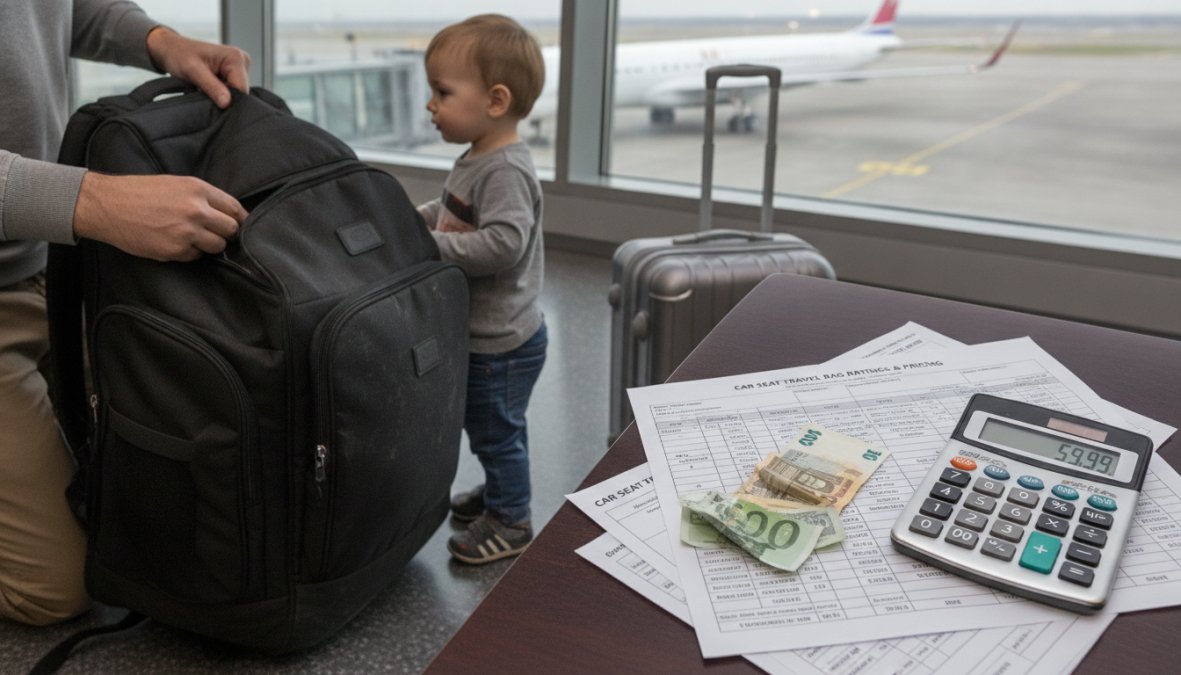
| Bag | Price | Carrying System | Best For |
|---|---|---|---|
| J.L. Childress Ultimate Padded Backpack | $60-$80 | Backpack straps | Convertible seats, most parents |
| J.L. Childress Spinner Wheelie Deluxe | $120 | 360 spinner wheels | Heavy seats, frequent flyers |
| Britax Travel Bag | $90 | Wheels + backpack straps | Britax owners, versatile use |
| UPPAbaby TravelSafe Bag | $199.99 | Multiple handles | UPPAbaby owners, warranty value |
| Chicco Travel Bag | $100 | Handles + straps | Chicco seat owners |
| Nuna Wheeled Travel Bag | $300 | Wheels | Nuna owners, premium use |
| hiccapop Booster Bag | $30-$40 | Handles | Booster seats, budget travel |
| Rascally Kidz Bag | $40-$50 | Backpack straps | Budget-conscious families |
| Yorepek Universal Bag | $35-$50 | Backpack straps | Universal fit, value shoppers |
J.L. Childress Ultimate Padded Backpack ($60-$80)
This is the best all-around option for most parents traveling with a convertible car seat. Thick foam padding on all sides does real protective work, and interior protective wings shield the energy-managing areas of the seat specifically, the detail that separates this bag from cheaper alternatives.
The ergonomic backpack straps tuck away cleanly when not in use, and the water-resistant fabric wipes down easily. One honest limitation: it is bulky to store at your destination. If you are renting a car seat there instead, that issue disappears entirely.
Pros: Excellent impact padding, comfortable carry, good durability
Cons: Bulky storage when not in use
J.L. Childress Spinner Wheelie Deluxe ($120)
If your car seat weighs more than 25 pounds loaded, skip the backpack option. The Spinner Wheelie Deluxe’s 360-degree spinner wheels navigate crowded terminals without effort, and the reinforced base prevents dragging damage on concrete. The wide-opening zipper makes packing a bulky seat much faster than a narrow top opening allows.
Pros: Eliminates physical strain, very durable, fast packing
Cons: Higher price than backpack-only models
Britax Car Seat Travel Bag ($90)
The Britax bag offers both wheels and padded backpack straps, with a rubberized base that holds up on wet tarmac and rough baggage carousels. It is sized for Britax seats and may feel tight around other brands. If you own a Britax seat, this is the obvious choice; otherwise, J.L. Childress offers better universal fit.

Pros: Versatile carry options, good moisture protection
Cons: Tighter fit for non-Britax brands
UPPAbaby Travel Bag with TravelSafe Warranty ($199.99)
The price is justified by one feature no other bag on this list offers: the TravelSafe program, a manufacturer-backed warranty that explicitly covers damage to your gear during air travel. For UPPAbaby owners who fly multiple times per year, this bag pays for itself the first time it prevents a damage claim dispute with an airline.
Pros: TravelSafe warranty coverage, exceptional build quality
Cons: Expensive; best value only for UPPAbaby owners
Chicco, Nuna, hiccapop, Rascally Kidz, and Yorepek
The Chicco bag ($100) offers heavy-duty, tear-resistant fabric and a compact folding design that fits Chicco models precisely, though availability can be limited. The Nuna Wheeled Travel Bag ($300) is the premium end of the market, exceptional materials and construction, but the price makes sense only for frequent-flying Nuna owners.
For parents traveling with booster seats or lighter infant seats, the hiccapop bag ($30-$40) is the smart budget pick, ballistic nylon construction at that price point outperforms bags twice its cost for its intended use case. The Rascally Kidz ($40-$50) folds into a compact pouch for easy destination storage. The Yorepek ($35-$50) offers good universal compatibility, though the zippers can wear out with heavy long-term use.
If you are traveling to Northeast Florida and renting a car seat through a local service, you can skip the bag entirely for the outbound trip. Bring a lightweight drawstring cover for your return flight if you are checking a rented seat back, or arrange to leave the rental at your destination.
Insurance, Warranty, and DIY Alternatives Worth Knowing
Most families don’t think about insurance until they’re standing at baggage claim looking at a cracked car seat shell. This is the section most travel guides skip.
Does Your Airline or Credit Card Cover Damage?
Airlines are liable for damage to checked items, but car seats occupy a gray area. Many carriers classify them as "fragile items" and limit liability accordingly. Some premium travel credit cards include baggage protection covering baby gear. According to consumer guidance on travel insurance and baggage claims, photographing your gear before travel significantly strengthens any damage claim. The UPPAbaby TravelSafe program is the only manufacturer-backed warranty on this list that explicitly covers air travel damage.
DIY Hacks: Drawstring Bags, Trash Bags, and More
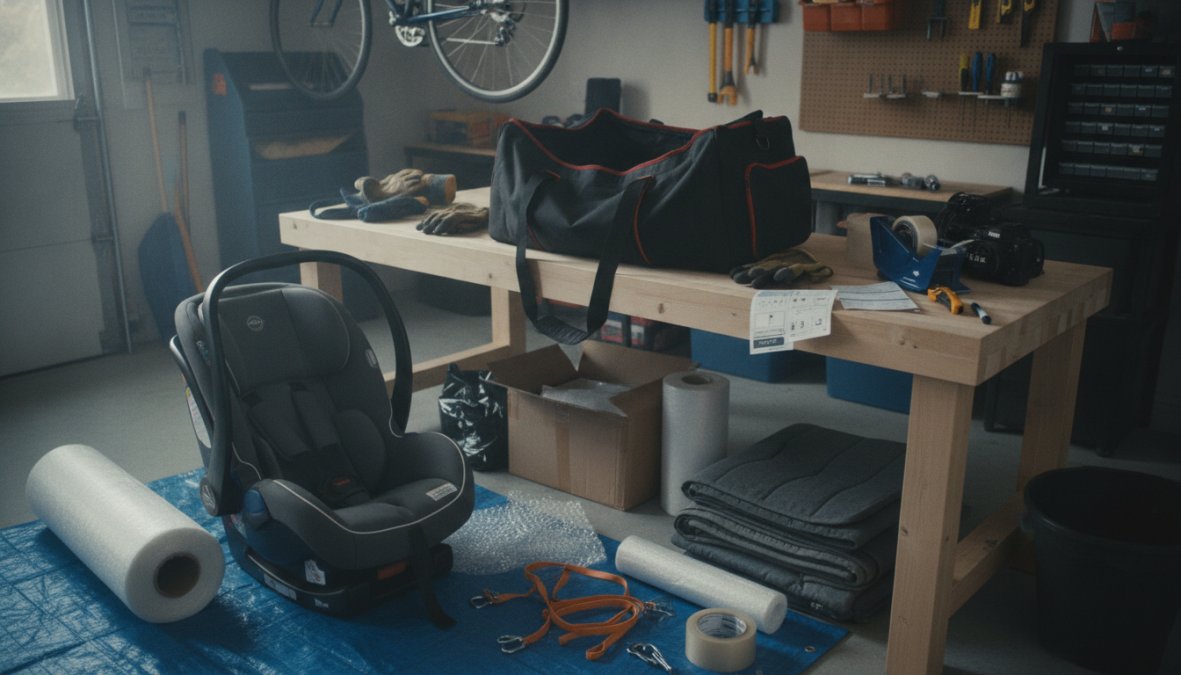
A heavy-duty contractor trash bag costs less than two dollars and provides a reasonable dust and moisture barrier for a single trip. It does not protect against impact, but it keeps the seat clean and identifiable on the baggage carousel.
Other DIY approaches include:
- Drawstring bags: Lightweight, packable, and reusable. Good for gate checking on short trips where impact risk is lower.
- Pool noodles and bubble wrap: Wrapping the base and buckle housing before placing the seat in a basic bag adds meaningful impact protection at low cost.
- Cardboard box: For counter-checking only. Provides rigid protection but is single-use and cannot be gate checked easily.
The DIY approach is acceptable for occasional travel. For families who fly multiple times per year, a purpose-built padded bag is more cost-effective over time.
How to Pack a Car Seat for Air Travel: Step-by-Step
Packing a car seat correctly takes about ten minutes and makes a real difference in how well the bag protects the seat during transit.
- Remove loose accessories. Cup holders, canopy attachments, and infant inserts should be packed in your carry-on. These pieces break easily and add unnecessary bulk.
- Adjust harness straps to their loosest setting. This reduces pressure on the buckle housing during compression in the cargo hold.
- Wrap the base separately if possible. Position the base against the most padded wall of the bag.
- Place the seat into the bag harness-side down. This puts the more impact-resistant plastic shell facing outward.
- Fill any gaps with soft items. Rolled-up baby clothes placed around the seat inside the bag reduce movement and add cushioning.
- Close and secure all zippers. Confirm zipper pulls are fully closed and no straps hang outside the bag where they can catch on conveyor systems.
- Attach a luggage tag. Include your name, phone number, and flight information. Car seat bags look similar and are easy to mix up.
The single most protective thing you can do when flying with a car seat is combine a padded bag with interior padding from soft items, and photograph the seat before and after every flight. The bag handles external impact; the documentation handles insurance disputes.
Rent Instead of Haul: The Smart Option for Northeast Florida Families
Hauling a car seat through an airport is genuinely miserable, and there is another option most travel guides don’t mention: renting a car seat at your destination.
For families flying into Jacksonville International Airport or driving into Saint Augustine, Amelia Island, Ponte Vedra, Fernandina Beach, or Jacksonville Beach, car seat rental near me is a practical alternative to the entire bag debate. First Coast Baby Rentals delivers sanitized, inspected, often brand-new car seats directly to your vacation rental. No hauling, no bag, no baggage claim anxiety.
The service covers Saint Augustine, Jacksonville, Nocatee, Vilano Beach, Ponte Vedra, Amelia Island, Fernandina Beach, and surrounding Northeast Florida communities. Every item is sanitized and inspected before delivery, and the team accommodates last-minute reservations. For grandparents visiting from out of state or families flying in for a week at the beach, renting eliminates the heaviest, most awkward item in your travel kit.
Traveling with baby gear through airports gets easier once you have a system. A padded car seat travel bag solves the damage and dirt problem for families who prefer to bring their own seat. For families flying into Northeast Florida who want to skip the hassle entirely, First Coast Baby Rentals delivers sanitized, brand-new car seats and baby gear directly to your vacation rental in Saint Augustine, Jacksonville Beach, Amelia Island, Ponte Vedra, and the surrounding First Coast area. Every item is inspected before delivery, last-minute bookings are welcome, and the gear is set up and ready when you arrive. Reserve your gear before your next trip and travel light.
Frequently Asked Questions
Are car seat travel bags worth it for flying?
For most families, a car seat travel bag is worth it for flying. Car seats sent through checked baggage or gate-checked without protection are exposed to rough handling in the cargo hold, which can cause cracks, broken harness parts, or contamination. A padded, waterproof bag significantly reduces damage risk and keeps your infant or toddler's seat clean and functional on arrival. If you fly more than once a year with your car seat, the one-time cost typically pays for itself quickly.
Is it better to gate check or check a car seat at the counter?
Gate checking a car seat is generally safer than checking it at the counter because the seat spends less time in the cargo hold and is handled fewer times. However, even gate-checked seats are placed in the cargo hold during flight and can be damaged. Using a padded travel bag for either method adds meaningful protection. Always confirm your airline's policy on gate checking before your travel day, as some carriers have specific rules about bags and tags.
Do airlines require car seat travel bags?
Most airlines do not require a car seat travel bag, but they strongly recommend one. Without a bag, airlines typically accept no liability for damage to unprotected gear. Some airlines may provide a plastic sleeve at the gate, but these offer minimal protection against the realities of baggage handling. Checking your specific airline's policy before you travel is always a good idea, as rules can vary and change seasonally.
How do I pack a car seat for air travel?
To pack a car seat for air travel, first remove any detachable accessories like cup holders or head inserts and pack them separately. Fold down the car seat if it's convertible, then slide it base-first into your travel bag. Use padding or a small blanket to fill gaps and prevent shifting. Zip the bag fully, secure backpack straps or handles, and attach your name and contact info. Label the bag clearly as fragile if checking it at the counter.
Can I put other items in my car seat travel bag?
Yes, many parents use the extra space in a car seat travel bag to pack soft baby gear like blankets, infant clothing, or small toys. This is a practical way to reduce the number of bags you carry through the airport on a busy travel day. Avoid packing hard or heavy items that could press against the car seat and cause damage. Always check that the bag zips fully closed and that added weight doesn't strain the handles or backpack straps.
This article was written using GrandRanker